Home»Garden»Grow usher
Last Updated on August 9 , 2023
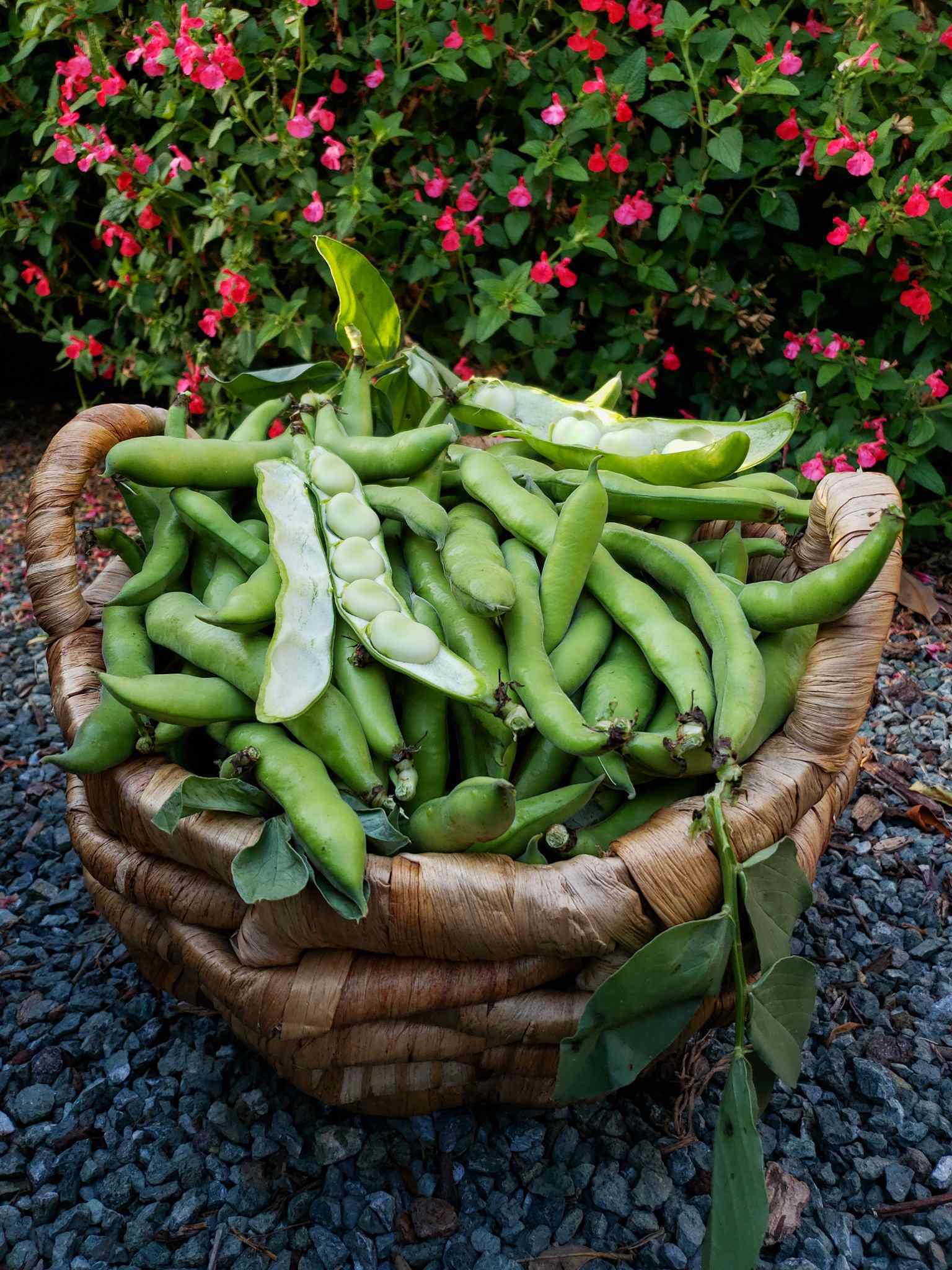
Fava Beans are such a rad crop ! Also cognise as “ broad bonce ” , these hardy annual plant are multi - use , beneficial , and easy - to - grow – totally desirable of a spot in your garden . Commonly grown as a back craw , fava attic arenitrogen - fixers – meaning they ameliorate grime quality by adding N to it , rather than have away from it . The alimentary - fat edible beans and greens are delicious , and bees love the flowers ! win , all the agency around .

After hearing all of that , are you interested in growing fava beans too ?
learn along to learn all about growing fava beans , which is pretty dang simple-minded ! We ’ll go over the benefits of growing fava beans , their preferent growing weather , mixed bag , and how to implant and worry for them . Additionally , I ’ll gain you with some tips for harvest home , feeding , and even preserving fava noodle . Finally , permit ’s talk about maximize the benefits of maturate fava beans – by leaving their roots in the soil , and mulching with the greens !
Would you like to save this?
We ’ll email this post to you , so you’re able to come back to it later !
I agree to receive email updates .
3 REASONS TO GROW FAVA BEANS
1) Nitrogen-fixing
Fava Beans are a appendage of thelegume crime syndicate . As with most legumes , fava bean have the ability to “ fix nitrogen ” . But what does that mean exactly ? Well , all industrial plant have the power to uptake nitrogen from the soil . That process is a normal and indispensable part of the plant life life cycle!However , legumes do something a little superfluous exceptional .
In addition to taking in nitrogen from the soil , they also have the ability to absorb andfix nitrogen from the airwave ! They action this through a beautiful symbiotic relationship with specialized bacteria calledRhizobia . The Rhizobia bacteria colonise the roots of legumes , form nodules , and pull in atomic number 7 – unremarkably in excess than what the works can habituate for energy . Therefore , a surplus is leftover and stash away in the plant fabric . extra nitrogen - fixing screening crops include peas , trefoil , vetch , lentil , flax , lucerne , rye grass , and other legumes like soybeans .
So why does this topic ? Nitrogen is one of the key nutrients that all plant life necessitate to photosynthesize and healthily grow ! However , nitrogen is also easily deplete in garden soil where crop are repeatedly grown , and thus needs to be replenished . Traditional agriculture systems merely addchemical fertilizersto accomplish this , which isharmful to the environmentin a number of direction . Using rude , constituent recitation like cover crop and compost to tip our dirt alternatively of synthetic fertilizers is a wonderful thing !

But that is n’t the only wonderful affair about favas … .
2) The entire fava bean plant is edible!
Yep , you understand that right ! The bean , pod , leaves , you name it … All eatable . surely , some part may be less suitable to exhaust , such as the tougher stems or older foggy pods , but the other parts are incredibly scrumptious and versatile ! Fava bonce leaves savour very similar to the bean : sweet , larder , and earthy . They are full-bodied in vitamins and minerals like folacin , manganese , bull and phosphorus . The beans themselves are an splendid source of protein and soluble vulcanized fiber as well . We routinely enjoy both the noodle and greens with many meal !
3) Low-fuss & Low-pressure
Fava bean plant are veryeasy to grow , as long they ’re planted in the right season . They favor mild to nerveless weather circumstance , which we ’ll discuss more below . Fava beans alsoattract very few pestis or diseases , and require minimal upkeep !
Even if you have a curt originate window between hot and freezing weather ( or vice versa ) I still recommend planting fava beans somewhere in your garden . permit ’s say unfavourable fava weather comes before the plants are mature enough to produce a rich batch of bean … Oh well ! For us , we view the beans themselves as bonus – like the cerise on top of all of the other benefits of growing fava dome .
Worse case scenario ? When freezing or frying weather is on the horizon , harvest some of the warm fava greens to relish , and allow the rest of the works to pass off in topographic point to nurture the dirt . Best case scenario ? You ’ll be snacking on some sexually attractive fava beans … perhaps while sip a glass of chianti . Both are suitable options .

Like I said , miserable pressure !
HOW TO GROW FAVA BEANS
Fava Bean Preferred Growing Conditions
Fava bonce favor weather that is not much warmer than 75 ° F during the day . Theirideal temperature range is 60 to 65 ° atomic number 9 , though they will tolerate insensate temperatures down to 40 ° F as well . This makes them arrant for fall or spring planting in most locations !
Fava beans grow good infull Dominicus , but will not bloom well in hot , ironical conditions . gratefully , they rise decently well in fond ghost too . Meaning , if you ’re worried about temperatures at times climb over 75 ° F ( especially for outflow - planted favas with summertime on the way ) , opt a planting location that receives good afternoon shade or filter sunshine throughout the day .
Fava dome can absolutely be arise incontainers ! Again , they ’re not finicky about much . As long as you could follow the other world-wide guidelines ply in this article , they ’ll do great in a container too . We routinely develop them in half wine barrel , but have also grown them successfully in smallerfabric grow base .

From planting seeds to glean , fava bean require an modal of3 monthsof originate to mature . Different variety will depart somewhat in their days to maturity ; some say 75 days and some up to 100 . Therefore , choose varieties that suit your optimal raise window – especially if you are skip for a adept edible bean harvest . Note that smaller , less mature fava beans are the most sensitive to eat on though ! So even if they do n’t have time to get huge , that is altogether ok .
Fava beans are not picky ! They do n’t mind cool , clay , or substandard dirt – thing that other plants typically do not love . Therefore , you do n’t need to worry much about the soil tone ( rent alone fuss with better it ) before set fava attic . However , favas wo n’t be happy with urine - logged roots , so do choose a originate position and land that can providedecent drainage . Provide regular water for keep the soil moist but not soggy .
Fava Bean Varieties
The most coarse and popular variety of fava beans isBroad Windsor , and for a good rationality ! The plant life are dependable and productive , and mature apace to produce tumid pleasant-tasting bean pods . We have experimented with a handful of dissimilar fava varieties over the days , but always come back to the tried - and - true BroadWindsor . That ’s primarily all we produce these days .
Yet there are many other play and unique types of fava bean out there . For good example , we maturate these Extra Precoce A Grano Violetto that develop purple bonce inside their unripe pods ! They do apace alter back to green when cooked though . Others are know to be exceptionally cold - hardy , such asAguadulce .
Soaking Seeds & Planting Instructions
Once you have your fava bean seed on hand , lease get planting ! Like most beans , favasprefer to be direct seed alfresco . However , they are n’t as sensitive or prone to transplant shock as some beans , so if you need to initiate them indoors for whatever reason , that works too . Just ensure they ’re transplanted out before they become too with child or ascendant restrict .
To help aid in quick and successful sprouting , soak the seedsin un - chlorinated water for 12 to 24 hr prior to plant . This is a great baksheesh for all knotty , large seeds !
Sow fava bean plant seeds1 to 2 inches deepin the stain , about 6 column inch a part . light blanket , water , and keep the territory moist to assist in sprouting . They can be a bit deadening to sprout , so be patient ! Some may toss off up within a few days , some may take a few weeks .

Ongoing Care & Support
After fava bean have spud , they ask very little tending . Simply water on social function and they ’ll be happy . But did you jazz that fava edible bean plants can reach4 foot tall ? ! So keep that in idea when you ’re choose their planting location – since they can shade out other nearby plants ! Once fava bean plants begin to get tall , and peculiarly as they become hard with developing beans , you ’ll desire to provide reenforcement for them . In mood with inviolable wind or rain , you may even need to allow support originally since they ’ll be prostrate to flopping over in those consideration .
To support our fava attic , we simply put a few stakes around their planting area and run string between them , creating a improvised cage . Fava edible bean do not have tendril that grab onto trellises like peas , nor do they thread themselves around their accompaniment structures like magnetic pole bean . You basically have to discover a agency toprop them up , more like tomatoes .
Harvesting Fava Beans & Greens
It is concentrated to go wrong when it come to harvesting fava beans ! Some common people enjoy the smaller , less fledged bean plant pods . They even rust the whole matter , outer cod and all – like a snap pea!At this stage , the inner beans are exceptionally tender .
We in general allow the bean pods to get a bit larger before harvesting . fledged fava edible bean pods can reach out over 6 inches long ! you may tell when the inner beans are well - acquire by feel or observing the pod . As the noodle acquire to fill out the seedpod , it becomes bulbous and firm . However , the tumid the fava dome , the tough their out skin can get . To remove the dome , pull up or twist on the beanto see if it easily unplug from the flora . If not , apply pruning snips orscissors .
The bestfava greensto eat are the freshest tender growth on the tips of the plants . We typically reap upper share of root word and exit about 6 to 12 inches long . As you continue to pluck bonce , more will grow . As you trim the stems and foliage , it will promote furcate and replete plant .

After Harvest or the Growing Season
This may be one of the most important points of this clause : When it comes fourth dimension to say bye to your fava noggin plant , leave the roots in place ! This direction , the root can moulder in the grease and feast it the atomic number 7 that the Rhizobia has worked so hard to stash away . Even more , take vantage of the nutrient - dense aboveground leafage and stems !
When fava season comes to an end , you could do a few different things . One is to but allow the plants todie back and fade in place . This is an peculiarly great option for fall - constitute fava beans where winter is on the view , and you do n’t intend to establish anything else there until next springiness .
Another pick is to dilute the plants down ( into pieces if you wish well ) , and leave them on top of the soil to break down . This practice is experience as“chop and drop”mulching . Or , instead of leave them in the same bed they grew , you could also add the fava foliage to your compost pile or mulch another domain . For example , we often top our largecannabis acquire bagswith fava plant mulch .

To Shuck or Not to Shuck?
To answer this question , you ’ll have to try out for yourself ! Each gardener and fava bean officinando has their preferred way to process and feed fava beans . Again , some wipe out the whole extinct pod ! Personally , I find it too hazy and hempen . Therefore , we shell our pods to reveal the inside beans . Be sure to compost or mulch with those spent tabu pods .
Additionally , each individual fava bonce inside the pod is wrapped with a fragile skin . Some folks are hellbent on removing that skin , shucking or peeling every little noggin . In my opinion , this is commonly unnecessary , too clock time - consuming , anda waste of good protein , fiber , and flavor – particularly for the smaller and more affectionate single ! Do not peel the little guys . Yet the cutis around the older large beans can definitely get tough . We sometimes peel those , but not always .
EATING & PRESERVING FAVA BEANS
Eating fresh
Fava edible bean are versatile small veggie . you’re able to enjoy themsautéed , roasted , pan - fried , and more!Most often , we tot them to ourfavorite cast iron wokto sauté with various veg and seasonings , and serve it all over brown rice , quinoa , lentils , or with eggs . We also routinely summate them to soup . Pan - fry or roasted fava beans go particularly well with olive oil , garlic , table salt , common pepper , and even a small squeeze of lemon juice at the end !
Forfava greens , we deal them much like kale or any other leafy green in our garden . Add handful of leaves to any sauté , stimulate fry , soup , frittata , quiche , salad , or more ! Fava bean Green also make for an deucedly delicious , nutritious , nutty pesto – which can also be frozen to preserve . Check out our fava green pesto formula here .
Preservation ideas
There are SO many options for conserve fava bonce too ! Last time of year , we freeze a lot of them to habituate in future soup or sautes . A ready bakshis for freezing fava beans(or any food , really ): set them out on a baking shroud , not poignant , and freeze this style first for 6 to 12 hours . Then package them together into a container for long - full term store in the deep freezer . freeze them on an individual basis first prevents them from sticking and bunch up together by and by , which make it much well-off to fish out just a handful of beans when you want them !
In increase to freezing , fava dome can bepickled , fermented , or dehydrated!We will definitely be doing a little of each this season , and I will report back with recipes . In the meantime , if you need a dependable pickling saltwater recipe , check outour well-situated refrigerator pickle peppers . Simply swap out the peppers for fava beans alternatively , or any other delicious vegetable ! Similarly , usethis bare zymolysis recipeand replace the radish plant for favas . For pickling or fermentation , I evoke to practice smaller attendant beans , or transfer the outer skin of the tough large beans as ask .
And that, my friends, is how you grow and use fava beans – from seed to table.
I hope this clause was interesting – and inspire you to try growing fava dome at home ! Please allow me love if you have any doubt , and palpate free to broadcast the fava love by sharing this clause . If you ’re concerned in learn about other ways to organically amend your soil , you may enjoythis article about how we amend our garden beds between seasons . Thanks for tune in , and for your interest in constitutive gardening !