Summary
As a gardener , making a compost pileis an indispensable gardening proficiency that produces organic manure for your soil . However , before compost , you must be cognizant of the two composting methods : thefast method acting ( blistering composting ) and the traditional or tiresome composting . raging compostingrequires a closed container or a compost bin to maintain heat and advance quick chemical decomposition reaction , which is not necessary for steady composting .
Many gardeners are accustomed to the traditional compost proficiency because it requires less aid , and you’re able to keep summate and layering stuff . However , if you require your compost to be quick quickly , a hot compost tidy sum is the best pick . But first , you want to learnhow to make a compost agglomerate speedily .
Step 1: Gather the NecessaryDIY Compost BinSupplies
Use suitable green and brown materials for yourcompost pile
Do you want to read how to make a compost pile?The first whole step isgathering the necessary tools , stuff , and equipment . The succeeder of yourDIY compost bindepends on the composting materials you ’ll use for your undertaking . Luckily , all the necessarymaterials for a compost pileare pronto usable .
Green compost textile arehigh in nitrogen and cater the necessary wet in a compost pile , while brown materialsprovide carbon , raise compost aeration , and promote microbial natural process .
Step 2: Choose the Right Compost Location
Build the pile in a convenient but inconspicuous place
According to theUniversity of Missouri Extension , the location of yourcompost pileis vital . As you gather the worthy material for yourDIY compost bin , remember to assemble them in an area that considersconvenience , esthetic , climatic conditions , and space availableness .
Some generalcompost slew localization guidelinescan help you select the correct locating .
Keep your compost pileaway from your immediate neighborsto minimize potential bad odors .

Image credits:Electric Egg via Shutterstock
Step 3: Arrange YourCompost Pilein Layers
Pile your compost by alternating green and brown materials
Arranging your compost material in layerscreates a balanced and effective decomposition cognitive process . However , before placingcompost pilematerials in bed , you need toestablish the size of your DIY compost binful . grant toIOWA State University Extension and Outreach , an ideal compost pile should be ( 3 × 3 × 3 ) 27 cubic foot . A large enoughcompost pileretains enough hotness . However , your compost pile should not be too large to suppress flow of air .
After establishing the ideal sizing of yourhot compost megabucks , start arranging compost materials in stratum . There are some tips to count when placing compost piles for effective chemical decomposition reaction .
Tips

Image credits:Viktoriia M1 via Canva
What To Do
1
Use tools such aspruning shears or a chipper to hack all materialsinto small-scale composition of about½- to 1½ inchesto give germ enough Earth’s surface area for decomposition .
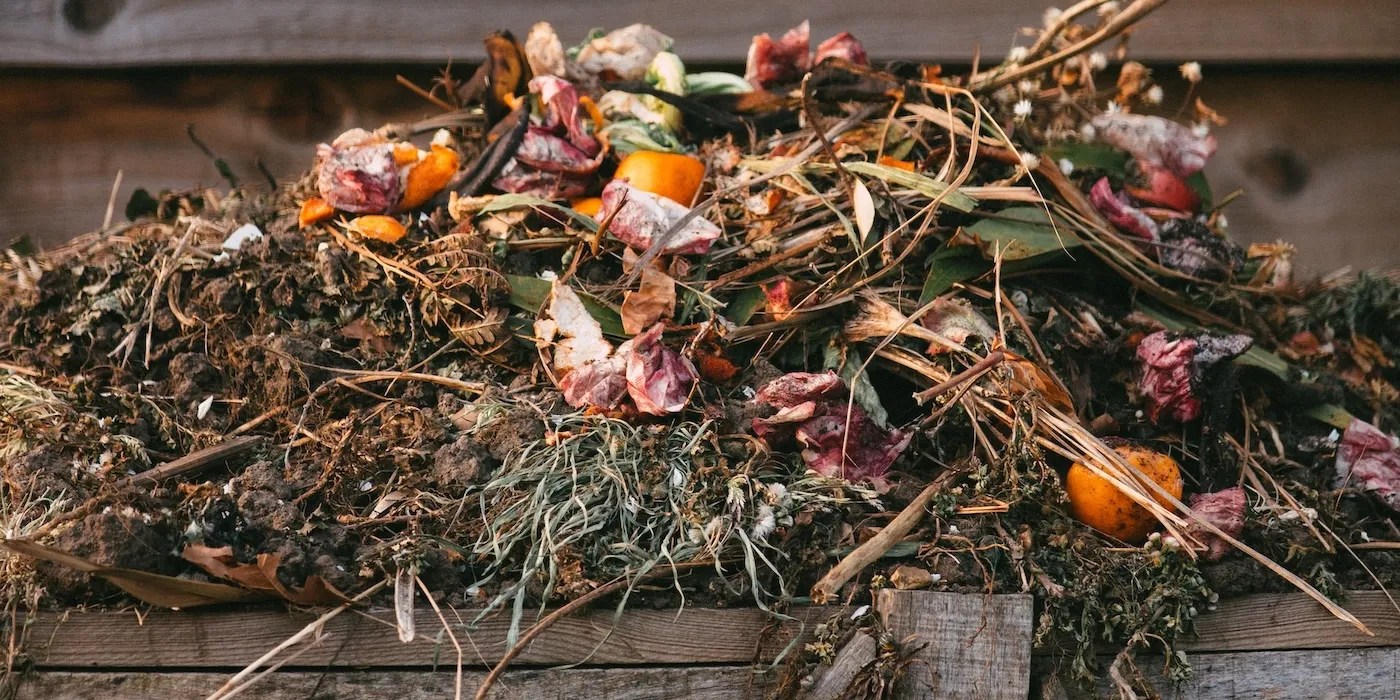
Image credits:Edward Howell via Unsplash
2
Create a base bed by arranging coarse fabric such asstraws and twigs at the bottom of the pile to help with drainage and aeration .
3

Image credits:Couleur via Pixabay
Startalternating a level of brown material , such as shredded newspaper and dried leaves , with a bed of green , such as kitchen scraps and fresh grass trim . assure that the volume of chocolate-brown material isat least three timesthe stratum of green fabric .
4
Use a hose tosprinkle water on each layeras you construct your compost pile . Ensure each layer is damp but not soak .

Image credits: Ben_Kerckx via Pixabay
5
apply a hat tocover your compost when in useto asseverate heat , and toprotect your compost from rainwater and fauna .
Step 4: Take Care of YourCompost Pile
Monitor heat, moisture, and airflow for successful decomposition
Now that you knowhow to make a compost bundle , you involve to understandhow to take care of yourhot compostpilefor successful decomposition . According to theUniversity of Maryland Extension , you need to monitortemperature , moisture , and airflow in your DIY compost binfor successful decomposition .
How to Take Care of Your Compost
Temperature

Image credits:Greta Hoffman via Pexels
Use a compost thermometer to lay down anideal temperature range of 130 degrees and 160 arcdegree Fahrenheit . turn over your big money if it feels too hot to govern temperatures .
Moisture
Your compost pile should remain dampish during rotting . scattering water at least once a weekcan also aid to baffle temperature .
Airflow
Aeration is a critical factor in decomposition . Turn your compost pileat least once or twice a week to increase airflow . Adequate airflow regularise temperature and enhances material decomposition .
When is Compost Ready to Use
Hot compost is ready in about four to six weeks
In idealistic condition , yourhot compostwill be ready in about four to six weeks . However , it may take more time , which emphasizes why you need to forever monitor your compost . Nevertheless , there are a fewsigns that your compost is quick for use .
Use quick compost to enhancesoil fertility , mulch around plant , or make compost tea .
Make YourHot Compost PileToday
Now that you knowhow to make a compost pile , use it toenhance soil nutrient , improve soil structure , increase water retention , and promote healthy plant increment . you may make hot compost at domicile with promptly useable materials such as sens clippings , leaves , and kitchen garbage . Your hot compost will be ready for use in your garden in a few workweek , make it a desirable DIY gardening undertaking .
