Regenerative gardening focuses on enhancing the wellness and vitality of your dirt to promote robust works growth .
Explore these proven techniques to translate your garden into a thriving ecosystem .
1. Cover Cropping
Cover cropping is an effective technique to enrich soil and suppress mourning band . By plant crop like trefoil or rye whisky , gardeners can add constitutive matter and nutrients back into the soil . These crop also help oneself in protecting the soil from erosion .
overcompensate crops create a home ground for good micro-organism , contributing to a healthy land ecosystem . After growing , these crops are usually address back into the land , further raise soil birth rate and structure .
This method not only improves soil health but also hike subsequent plant growth , making it a popular option for sustainable gardener worldwide .

2. No-Till Gardening
No - till horticulture involves growing crop without disturbing the soil through tillage . This technique protects grease structure and reduces erosion . By allow the soil undisturbed , beneficial dirt organism flourish , enhance nutrient availability for plants .
No - till system often rely on mulch to suppress mourning band , retain moisture , and add organic affair . These garden are less labor - intensive and push better body of water percolation .
Adopting no - till practices can top to healthier , more generative gardens , as the soil becomes ample and more bouncy . This method acting array with sustainable horticulture practices , emphasizing soil saving and enhancement .

© Forks in the Dirt
3. Composting
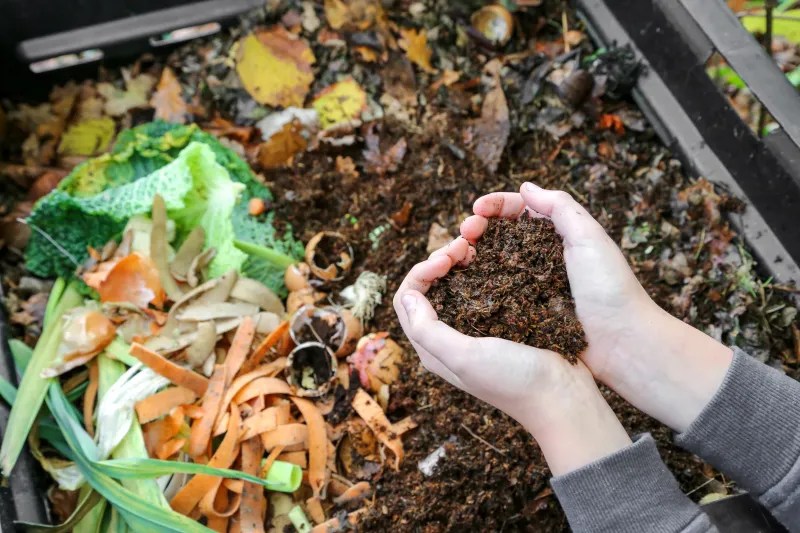
Composting is the natural appendage of recycling organic matter to enrich dirt . By compost kitchen scraps and pace wastefulness , gardeners create nutrient - deep humus that enhances dirt structure and fecundity .
The putrefaction process involves microorganism breaking down organic materials into a drab , crumbly substance . This compost can be mixed into garden soil to amend its texture and nutrient content .
Composting shorten wastefulness and lowers the need for chemical fertilizers . It ’s an approachable and environmentally well-disposed practice session that supports healthy plant growth . on a regular basis rick the compost pile help in aeration and speeds up disintegration .

© The Grovestead
4. Mulching
Mulching involves covering the soil with constitutive materials like stalk , forest chips , or leaves . This technique conserves moisture , suppresses sens , and adds nutrient to the dirt as the mulch transgress down .
Mulch acts as an insulating layer , protect industrial plant theme from extreme temperatures . It also helps in preventing soil eroding by slim down water runoff . constituent mulches better soil social organisation and promote microbic action .
Applying mulch is a simple yet powerful way to enhance garden wellness . Regular replenishment of mulch ensures continuous benefits , making it an essential drill for regenerative gardener .
© RSPB
5. Crop Rotation
Crop rotation is a taxonomic approach to institute different crops in a specific sequence on the same soil . This proficiency prevents soil depletion and disrupts the bike of pests and diseases .
Rotating crops enhances land fertility and helps in maintaining a balanced nutrient profile . It involves planning and recording crop placements to ensure diversity in the garden .
By alternating crops with different nutrient need , the soil is used more efficiently . Crop revolution supports sustainable gardening by promoting sizeable soil and reducing the trust on chemical inputs . This method acting is key to long - term stain vitality .

© Sow Right Seeds
6. Hugelkultur
Hugelkultur is a gardening technique involving raised beds build up from decaying wood and industrial plant materials . These beds mimic natural timberland processes , creating rich , wet - retentive territory .
The break up wood provides a long - terminus rootage of nutrients . Hugelkultur hit the sack warm up up promptly in spring and offer up excellent drainage . This method acting reduce the motivation for lachrymation and fertilization .
It ’s idealistic for area with poor soil or special water provision . Hugelkultur nurture biodiversity and stain wellness by make varied microhabitats . This advanced approach exemplify regenerative horticulture , enhance soil anatomical structure and plant maturation .

© U.S. Farmers & Ranchers in Action
7. Bokashi Composting
Bokashi compost is an anaerobic process that fermentation kitchen waste using specialised bug . This method acting efficiently breaks down food scraps , including meat and dairy , into alimentary - fat compost .
Bokashi bins are succinct , construct them ideal for indoor use . The process postulate layer food waste with bokashi bran , a mixture of good bug . Fermented material is then buried in grunge , where it decomposes rapidly .
Bokashi composting is odourless , tight , and offers high nutrient retention . It ’s a convenient solution for urban gardeners looking to reduce waste and enrich their soil organically .

© HGTV
8. Biochar Application
Biochar is a atomic number 6 - productive product obtained by pyrolyzing organic material in a low - atomic number 8 environment . Adding biochar to soil improves weewee retention , nutrient availability , and microbial activity .
This proficiency enhance soil fertility and repress greenhouse gas emission . Biochar ’s porous structure provides a habitat for beneficial microorganism . It ’s a long - condition soil amendment , retaining nutrients and moisture effectively .
Applying biochar supports sustainable agriculture by improving harvest takings and sequestering atomic number 6 . This method acting contributes to resilient and productive soils , stool it a worthful tool in regenerative horticulture practices .

© Arizona Daily Star
9. Green Manure
unripened manure involve rise specific plants , such as legume , to improve grease birthrate and structure . These plants fix nitrogen in the soil , enhance nutrient handiness for subsequent crop .
After growth , they are incorporate into the land , where they break up and tally constituent matter . gullible manure reduce erosion , improves water retention , and suppresses mourning band . It ’s an eco - well-disposed alternative to synthetic fertilizers .
This proficiency kick upstairs soil wellness and biodiversity , further lively garden . By nurture the soil by nature , green manure supports sustainable horticulture practices that heighten plant ontogeny and productiveness .

© Appropedia
10. Vermicomposting
Vermicomposting utilize louse , typically red-faced wriggler , to decompose organic waste matter into racy compost . This method produces nutrient - slow worm castings , an fantabulous soil amendment . Vermicomposting is idealistic for small spaces and urban horticulture .
The dirt ball break down nutrient flake efficiently , produce compost that ’s easy to glean and apply . This process heighten soil natality , anatomical structure , and water system retention . Vermicomposting reduces kitchen waste and sustain organic gardening .
Maintaining the right moisture and temperature levels ensures a roaring dirt ball population . It ’s a sustainable , eco - friendly practice that enriches garden soil naturally .

© Milkwood Permaculture
11. Mycorrhizal Fungi Inoculation
Mycorrhizal fungi form symbiotic relationships with flora roots , extending their root organization and enhancing nutrient consumption . vaccinate soil with these fungus kingdom boost plant health and growth .
The fungus kingdom help in get at nutrients like Lucifer and piss , improving drought electric resistance . This symbiosis increase filth biodiversity and resilience . Mycorrhizal inoculum are practice to seeds or plant roots to induct colonisation .
This rude partnership reduces the need for chemical fertilizers and support sustainable horticulture . By foster these good fungi , gardeners enhance soil wellness and plant productiveness , promoting a booming garden ecosystem .

© Rodale Institute
12. Rainwater Harvesting
rain harvesting involves collecting and salt away rainwater for garden use . This praxis cut back reliance on municipal water system supplies and conserves a worthful resourcefulness . Harvested rainwater is free of chemical and apotheosis for irrigation .
Systems typically include barrels or tanks connected to roof gutters . Using rain promotes healthy plant growth and reduces water costs . It ’s an environmentally friendly method that supports sustainable water management .
even maintenance of harvesting systems ensure efficiency and water quality . rain harvesting is a practical solution for gardeners direct to conserve water and promote ecological counterbalance .

© UC ANR
13. Companion Planting
fellow traveller planting involves growing specific plants together to enhance growth and deter pests . By understanding industrial plant relationships , gardeners can create mutually beneficial mating . Some plant repel pesterer , while others pull in beneficial insect .
This technique optimizes space , improves soil wellness , and increases yields . Companion planting support biodiversity and foreshorten the need for chemical interventions .
case include plant basil with tomatoes to deter insects or marigolds with vegetables to repulse nematode . This method acting fosters a harmonious garden surround , promoting healthy industrial plant interactions and sustainable gardening practices .

© Alabama Cooperative Extension System –
14. Keyline Design
Keyline design is a landed estate direction system that maximizes water supply retentivity and stain fecundity . By using contour plowing and specific planting shape , weewee is distributed evenly across the landscape painting .
This proficiency prevents erosion and improves soil structure . Keyline design enhances soil moisture and nutrient availability , kick upstairs robust plant life increase . It ’s in particular effective in craggy or waterless regions .
This method acting support sustainable agriculture by optimizing demesne use and water management . Implementing keyline design requires heedful planning and observation of the land ’s natural contours , fostering a productive and regenerative landscape .

© VINES
15. Chop and Drop Mulching
Chop and drop mulching involves cutting back flora and leaving the trimmings on the soil surface as mulch . This method recycles nutrients and adds constitutive topic to the grime . It suppresses pot , retains wet , and improves soil structure .
As the passementerie break down , they enrich the ground and support beneficial microbic activity . Chop and drop is a low - maintenance , sustainable praxis that enhances soil health . It ’s in particular effective in food forest and permaculture gardens .
By mime raw processes , this technique fosters a thriving garden ecosystem with minimal interference .

© Young Agrarians
16. Deep Rooting Plants for Soil Aeration
mysterious root plants ameliorate soil aeration and structure by breaking through compacted layers . These plant , like alfalfa or comfrey , develop encompassing root system that enhance soil drain and nutrient availability .
By grow deep - rooted plants , gardeners can course air out the dirt , reduce compression and promoting levelheaded theme development . This technique corroborate racy plant increment and reduces the need for mechanical aeration .
Deep rooting plants give to a dynamic and resilient garden . incorporate them into garden design enhances stain vim and patronise sustainable gardening practices .

© Nature Works
17. Permaculture Guilds
Permaculture guild are groups of plants that work together to create a balanced and productive ecosystem . Each flora in the lodge attend a unequalled single-valued function , such as N infantile fixation , pestis determent , or soil melioration .
By designing garden with permaculture social club , nurseryman enhance biodiversity , reduce plague , and optimize resource employment . These guilds mimic natural ecosystem , advertise resilience and productiveness .
enforce guilds requires careful planning and understanding of plant relationships . This holistic approach supports sustainable horticulture , fostering a harmonious and self - sustaining garden environment .

© Deep Green Permaculture
18. Swales for Water Retention
Swales are shallow ditches dug along contour lines to capture and retain rainwater . This design slows weewee runoff , allowing it to infiltrate the dirt and recharge groundwater . swale boil down erosion , improve soil wet , and stand plant growth .
They are in particular effectual in arid region or areas with heavy rainfall . By integrating swale into garden purpose , body of water is husband , and grunge fertility is heighten .
This proficiency supports sustainable landed estate management , promote a balanced and rich ecosystem . heedful planning and upkeep of swales check farseeing - term benefit for the landscape .

© Full Cycle Permaculture
19. Regenerative Grazing
Regenerative grazing involves spread out livestock through pasture sections to mimic raw skimming patterns . This method acting better land health , increases biodiversity , and enhances pasture productiveness .
Livestock grazing stimulates flora growth and nutritious cycling . By moving animals oftentimes , overgrazing is forbid , and the pasture has time to recover . This proficiency enhances filth social organisation and C requisition , supporting a balanced ecosystem .
Regenerative shaving aligns with sustainable agriculture , improving land health and livestock welfare . go through this drill need careful preparation and monitoring to optimize benefits for the soil and environment .

© Chelsea Green Publishing
20. Foliar Feeding with Organic Fertilizers
Foliar eating involves lend oneself limpid fertilizers like a shot to plant leaves , allowing nutrients to be engage rapidly . This proficiency cater contiguous outcome , boosting flora wellness and growth .
constituent fertilizers used in foliar feeding are environmentally well-disposed and support sustainable horticulture practices . This method acting complements bemire fertilization by addressing specific nutritive insufficiency .
By practice food directly to leaves , plants can thrive even in challenge soil condition . Foliar feeding is particularly beneficial during periods of tenseness or speedy growing . This efficient approach enhances garden vitality and productiveness , corroborate rich and resilient plant life .

© Civil Eats

© Organic Gardener Magazine
